
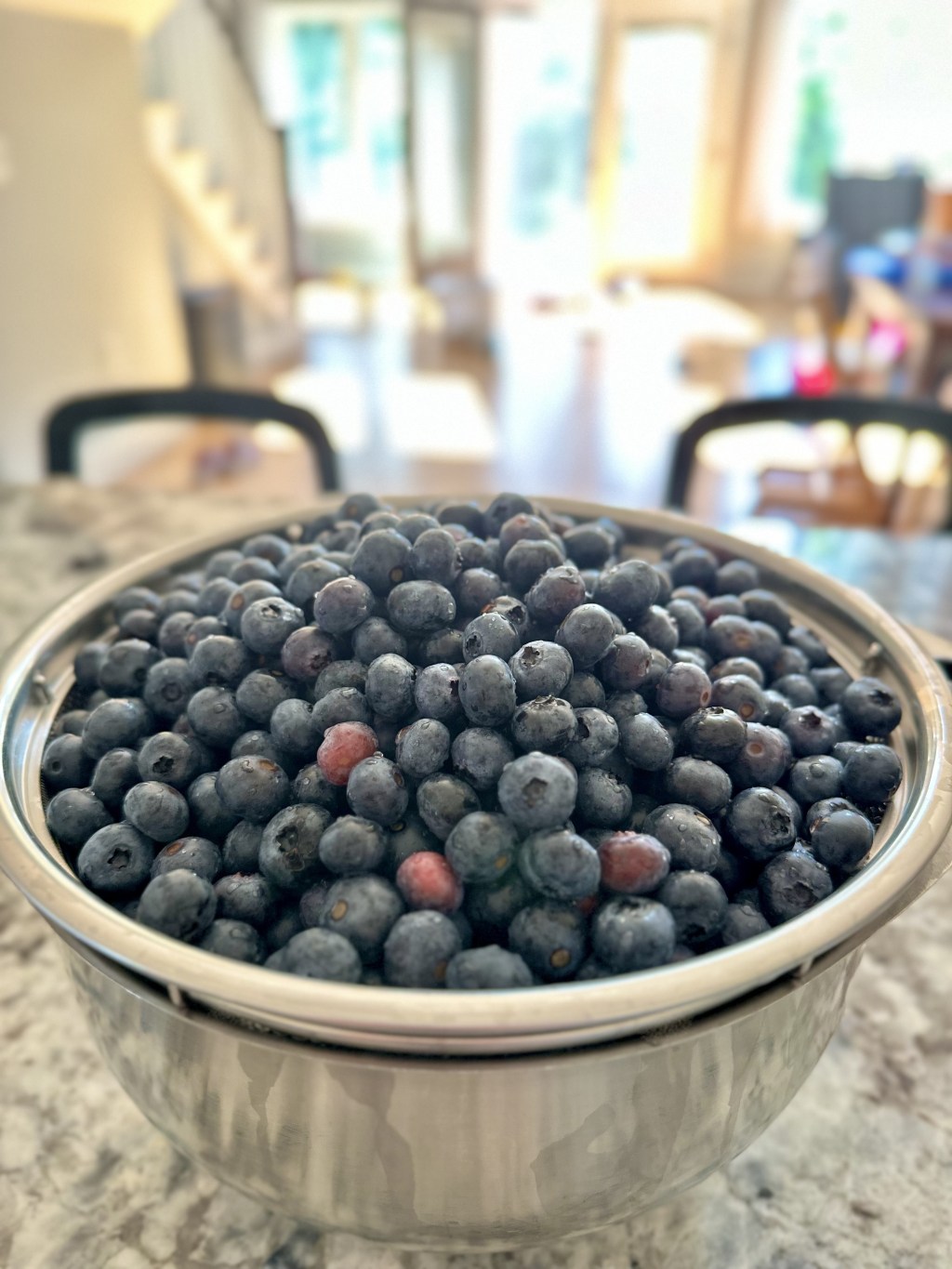
Dehydrating Blueberries: A Step-by-Step Guide
Welcome to Estes Blueberry Farm! As a family-run blueberry farm in southern Maine, we’re always excited to share new ways to enjoy and preserve our delicious blueberries. One excellent method to extend the life of your blueberries is by dehydrating them. Dehydrated blueberries make a great snack and can be used in various recipes. Here’s everything you need to know about dehydrating blueberries and how to store them.
Why Dehydrate Blueberries?
Dehydrating blueberries is a fantastic way to preserve their nutrients and enjoy them long after blueberry picking season ends. Dehydrated blueberries are lightweight, easy to store, and have a concentrated flavor that makes them perfect for snacking, baking, and adding to cereals and trail mixes.
How to Dehydrate Blueberries
What You’ll Need:
- Fresh blueberries
- A dehydrator or an oven
- Baking sheets (if using an oven)
- Parchment paper (if using an oven)
Step-by-Step Guide:
- Select and Wash Blueberries:
- Choose ripe, firm blueberries. Avoid any that are overripe or mushy.
- Wash the blueberries thoroughly in cold water and remove any stems or leaves.
- Pre-Treat the Blueberries:
- To help the blueberries dehydrate more evenly and prevent them from bursting, blanch them briefly. Boil water and immerse the blueberries for about 30 seconds, then transfer them to an ice bath to cool immediately. Drain and pat them dry with a towel.
- Prepare for Dehydrating:
- Using a Dehydrator: Place the blueberries in a single layer on the dehydrator trays, ensuring they are not touching.
- Using an Oven: Preheat your oven to the lowest setting, typically around 140°F (60°C). Line baking sheets with parchment paper and spread the blueberries in a single layer.
- Dehydrate the Blueberries:
- Dehydrator: Set the dehydrator to 135°F (57°C) and dry the blueberries for 12-24 hours. Check them periodically and rotate the trays if necessary.
- Oven: Place the baking sheets in the oven and prop the oven door open slightly to allow moisture to escape. Dry the blueberries for 10-18 hours, checking them regularly to avoid over-drying.
- Check for Doneness:
- The blueberries are done when they are leathery and slightly pliable. They should not be sticky or moist.
- Cool and Store:
- Allow the dehydrated blueberries to cool completely before storing. This prevents condensation and moisture buildup.
Storing Dehydrated Blueberries
Proper storage is crucial to ensure your dehydrated blueberries last as long as possible.
- Airtight Containers: Store the cooled blueberries in airtight containers or vacuum-sealed bags to keep out moisture and air.
- Cool, Dark Place: Keep the containers in a cool, dark place like a pantry or cupboard. Avoid exposure to direct sunlight and high temperatures.
- Shelf Life: Properly dehydrated and stored blueberries can last up to a year. Check them occasionally for any signs of moisture or mold.
Enjoying Dehydrated Blueberries
Dehydrated blueberries are incredibly versatile and can be used in various ways:
- Snacking: Enjoy them straight out of the container as a healthy snack.
- Baking: Add them to muffins, breads, and cookies for a burst of blueberry flavor.
- Cereals and Trail Mixes: Mix them into your morning cereal, granola, or homemade trail mix.
- Rehydrating: If you need rehydrated blueberries for a recipe, simply soak them in warm water for about 15 minutes.
Join Us at Estes Blueberry Farm
We hope this guide inspires you to try dehydrating your blueberries this season. For more tips, recipes, and updates on blueberry picking, follow Estes Berry Farm on Facebook and Instagram. We look forward to seeing you at our farm and hearing about your dehydrating adventures!
Happy dehydrating and happy picking!
 Estes Blueberry Farm
Leave a comment